Flying From the UK to Accra? What to Know Before You Arrive
Author: Sameer Shah
Date: 07 Oct, 2026
Flying from the UK to Accra can be an exciting experience, especially if it is your first time visiting Ghana.
But knowing what happens after the aircraft lands can make the journey much easier. From immigration and baggage collection to customs, airport transport and your first few hours in Accra, a little preparation can save you stress.
Kotoka International Airport is Ghana's main international gateway and has dedicated international arrival facilities, including immigration counters, baggage reclaim and passenger services. Ghana Airports Company Limited
Before leaving the UK, make sure your travel documents are ready, understand the arrival process and arrange how you will get from the airport to your accommodation.
Here is what UK travellers should know before arriving in Accra.
1. Check Your Ghana Entry Requirements Before Flying
The easiest way to make your arrival stressful is to discover that one of your required documents is missing.Before flying from the UK, check Ghana's current entry requirements rather than relying on information from an old trip.
For British citizens travelling on a full British citizen passport, Ghana currently requires a visa for visits. Your passport must also have an expiry date at least six months after the date you arrive in Ghana. A yellow fever vaccination certificate is required for entry.
It is worth keeping your important documents together in one easily accessible place.
You may want to carry:
-
Valid passport
-
Ghana visa
-
Yellow fever certificate
-
Flight confirmation
-
Hotel or accommodation details
-
Travel insurance information
-
Details of your airport transfer
-
Emergency contact information
Keep digital copies of important documents on your phone, but do not rely on your phone alone. A printed copy of your key travel documents can be useful if your phone battery runs out or you have difficulty accessing your files. Requirements can change, so check the latest official guidance before your departure date.

2. Know What to Expect When You Land in Accra
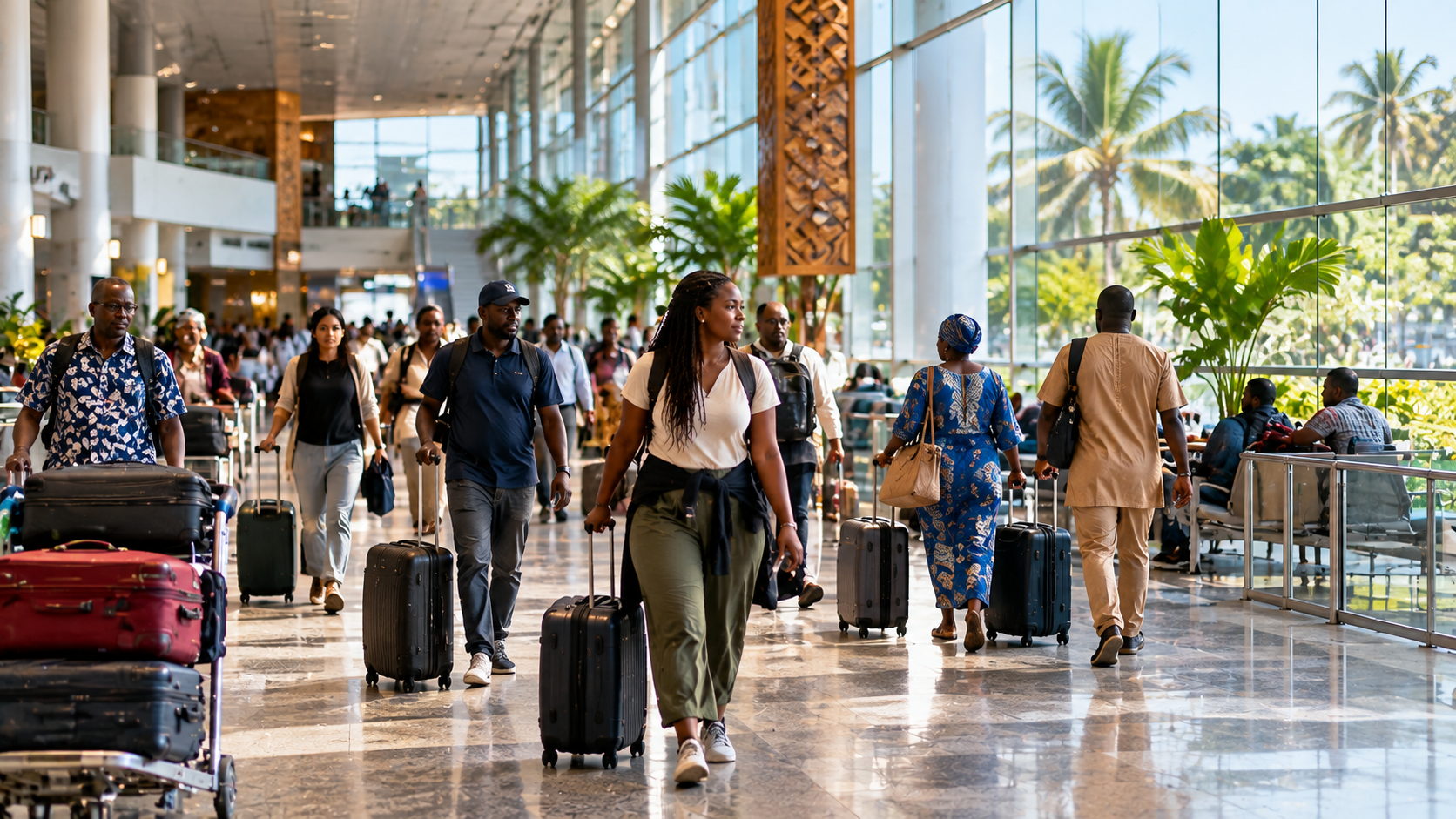
After landing at Kotoka International Airport, you will normally follow the signs towards the international arrivals area. Your journey through the airport will generally involve several stages:
Aircraft → Immigration → Baggage Reclaim → Customs → Arrivals Area
The exact experience can vary depending on your flight, time of arrival and passenger volume.
Do not rush. If this is your first time in Ghana, take a moment to understand where you are going before following the crowd. Keep your passport and travel documents accessible until you have completed the arrival process.
It can also help to have your accommodation address saved on your phone. If someone is collecting you from the airport, make sure you already know their name and contact details before leaving the UK. That way, you do not need to depend on finding Wi-Fi or making a phone call immediately after landing.
3. Prepare for Immigration and Passport Control
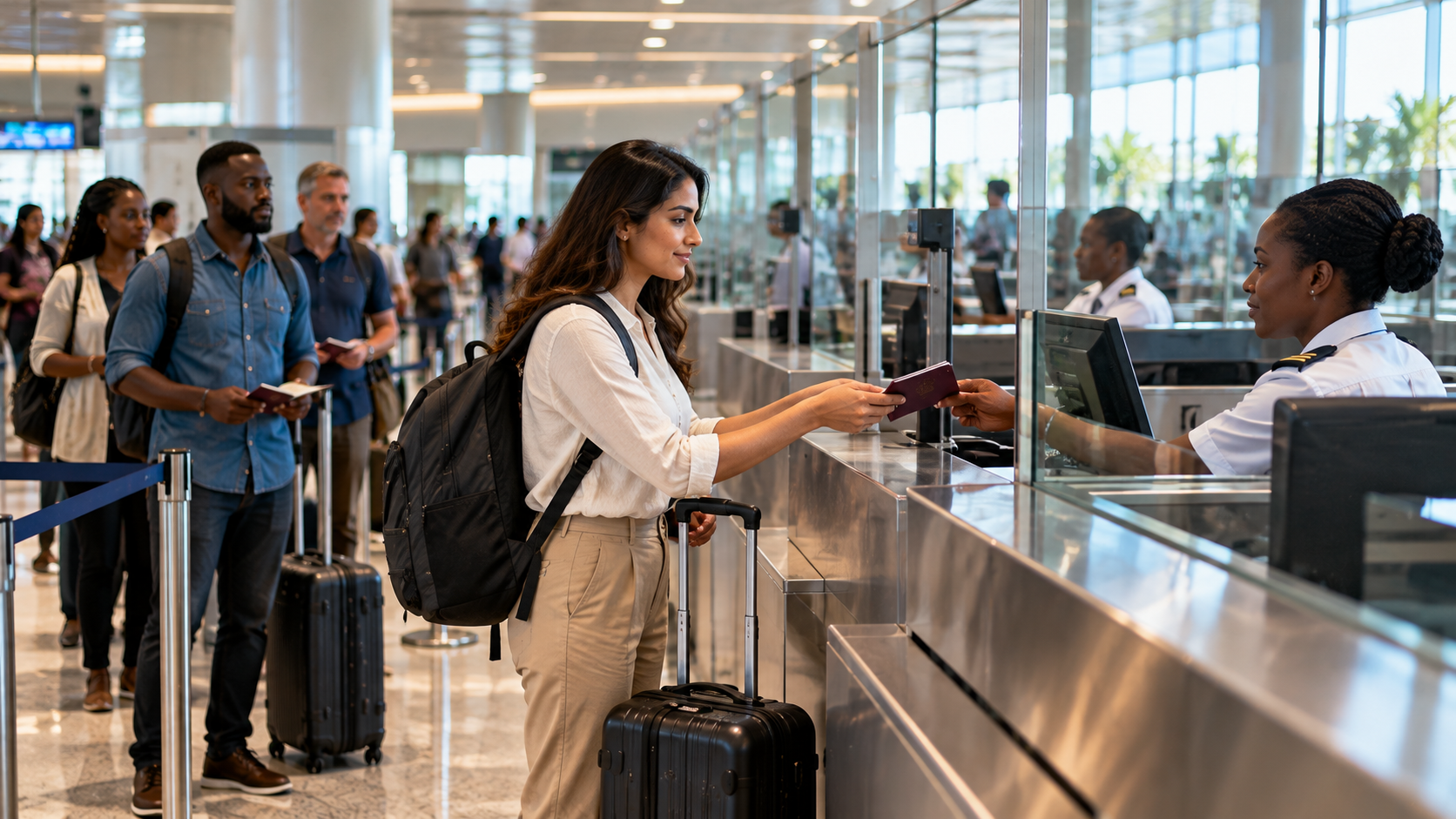
Immigration is one of the most important stages after you arrive. Have your passport and visa ready before reaching the immigration desk. An immigration officer may ask basic questions about your visit, such as:
-
Why are you visiting Ghana?
-
Where will you be staying?
-
How long will you stay?
-
What is the purpose of your trip?
-
When are you returning?
Answer clearly and honestly. If you are visiting family, attending an event, going on holiday or travelling for business, simply explain your reason for visiting. It is also sensible to have your accommodation details available. You may be asked for the address or name of the hotel, guesthouse or property where you will be staying. Do not put important documents deep inside your checked luggage.
Your passport, visa and other essential documents should stay in your hand luggage throughout the journey. Once immigration has processed your entry, check that you have received the appropriate entry permission or stamp before moving away from the counter.
4. Collect Your Baggage and Complete Customs
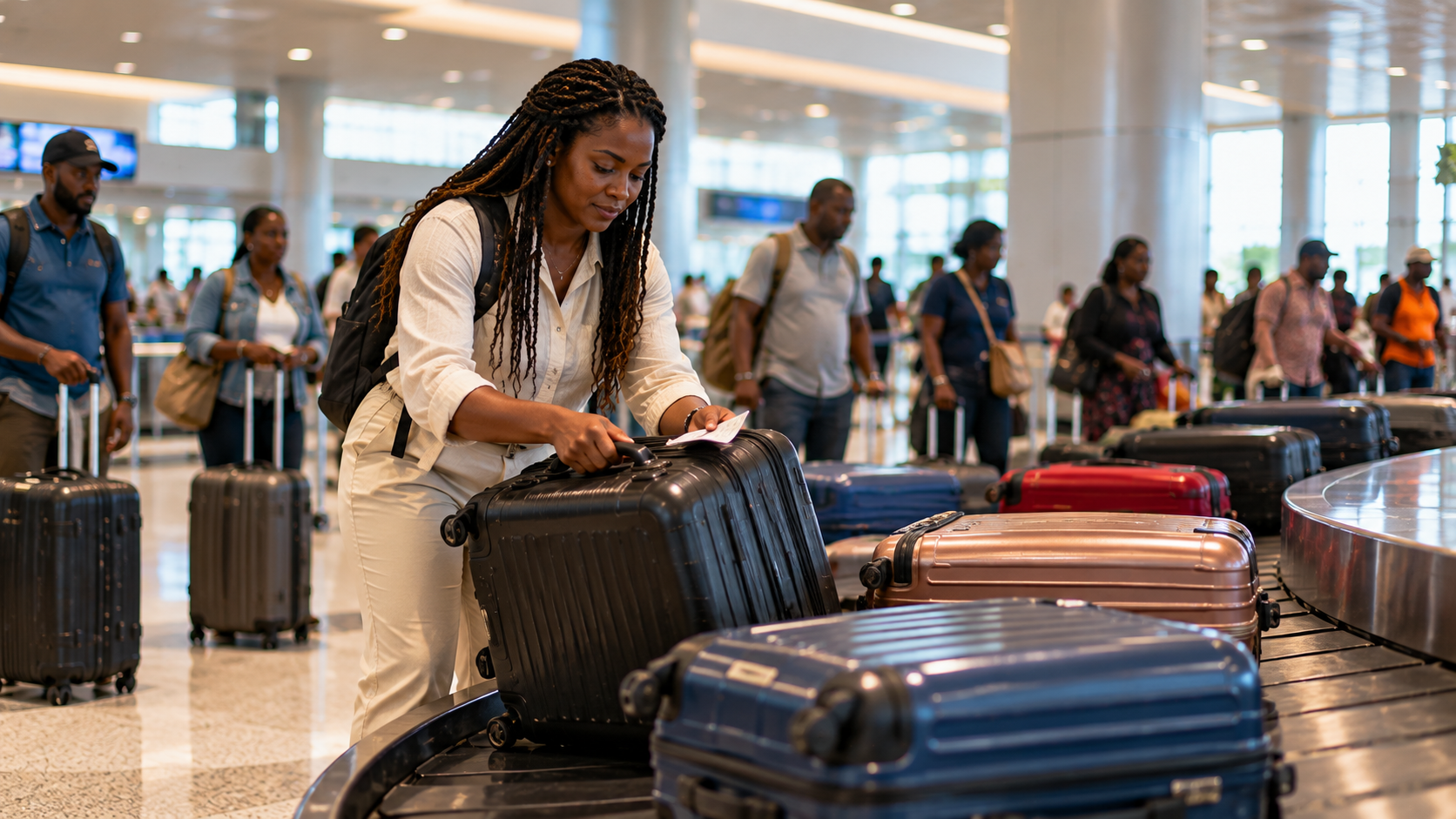
After immigration, follow the signs towards baggage reclaim. Check the airport screens to find the carousel assigned to your flight. Before leaving the baggage area, make sure the suitcase you collect actually belongs to you. Compare the luggage tag with your own baggage receipt or identification tag.
What if your luggage is missing?
If your checked baggage does not arrive, do not simply leave the airport and hope it appears later. Report delayed, damaged or misplaced checked baggage immediately at the appropriate baggage or Lost & Found desk before leaving the airport. Keep your baggage receipt until you have confirmed that everything has arrived safely.
Customs
After collecting your luggage, you may need to pass through customs.
Ghana has rules covering goods brought into and taken out of the country. Certain items may need to be declared or may be subject to tax or duty.
If you are carrying a significant amount of cash, check the latest declaration requirements before travelling. If you are unsure about an item in your luggage, check the rules before departure rather than guessing at the airport.
5. Arrange Your Airport Transfer Before You Arrive
One of the smartest things you can organise before leaving the UK is your journey from the airport. After a long international flight, the last thing you may want is to stand outside the terminal trying to decide how to reach your hotel. If a friend or family member is collecting you, confirm the arrangement before travelling.
Agree on:
-
Where they will meet you
-
Their name
-
Their phone number
-
What vehicle they are driving
-
What time they expect you
-
What you should do if the flight is delayed
If you are booking a private transfer, choose a reputable provider and keep the booking confirmation accessible. For a first arrival, having your transport arranged in advance can make the experience considerably simpler.

6. Think About Money, Cards and Mobile Connectivity
Having access to money and communication as soon as you arrive can make a big difference. Before leaving the UK, check that your bank cards are suitable for international use.
It is also useful to have a backup payment method. You may want to carry:
-
A main bank card
-
A backup card
-
Some emergency cash
-
Your phone
-
A portable charger
-
Important contact numbers
You should avoid carrying unnecessarily large amounts of cash.
Keep your phone ready
Make sure your phone is charged before landing. If possible, arrange your mobile data or roaming before leaving the UK. Having internet access can help you:
-
Contact your driver
-
Message family
-
Access your accommodation details
-
Check maps
-
Contact your hotel
-
Access digital travel documents
It is also sensible to save important information offline in case your connection does not work immediately.
7. Stay Alert Around the Airport and During Your First Journey
Arriving in a new country can be exciting, but it is worth staying aware of your surroundings. Keep your passport secure and avoid leaving your luggage unattended. It is also a good idea to avoid displaying large amounts of cash in public.
If you are arriving late at night, having pre-arranged transport is particularly useful. This does not mean you should arrive worried.
It simply means you should use the same common-sense precautions you would use when arriving in any unfamiliar destination. Keep your valuables secure, know where you are going and use transport you trust. Also check the latest FCDO travel advice before departure because travel guidance can change.

8. Plan Your First Few Hours in Accra
Do not make your first day unnecessarily complicated. After a long flight from the UK, you may be tired, especially if you travelled overnight or had a stopover.
If possible, keep your first few hours simple. A good arrival plan might look like this:
Airport → Hotel → Freshen up → Eat → Rest → Explore later
If you have a family member waiting for you, allow time for greetings and settling in. If you are staying in a hotel, check your booking details before leaving the airport. Save the hotel name and address on your phone. You can also keep a screenshot in case you temporarily lose mobile connectivity.
Do not over-plan your first day
You might be excited to see Accra immediately, but you do not need to visit five attractions on the first afternoon.
Give yourself time to adjust to:
-
The weather
-
The traffic
-
The local environment
-
Your accommodation
-
The time difference
-
Your energy levels
If you are travelling onward to another part of Ghana, such as Kumasi, make sure you understand your onward transport before arriving. For UK-to-Ghana flight options and travel planning, you can compare available routes and fares through Hi5Tickets.com before booking.

9. Final Thoughts
Flying from the UK to Accra does not need to be stressful once you know what to expect. The most important thing is to prepare before you leave the UK.
Make sure your passport, visa and yellow fever certificate are in order. Keep your important documents accessible, know how the arrival process works and have a clear plan for getting from Kotoka International Airport to your accommodation. Once you arrive, take your time.
Complete immigration, collect your luggage, deal with customs and make sure your transport arrangements are confirmed before leaving the airport.
Most importantly, stay aware of your belongings and use sensible precautions, particularly when travelling after dark.
Before booking your UK-to-Ghana journey, you can compare flight options through Hi5Tickets.com – UK to Ghana Flights and choose an itinerary that fits your schedule and budget.
A smooth arrival gives you a much better start to your Ghana trip.
Quick Arrival Checklist
Before flying from the UK to Accra, make sure you have:
-
Valid passport
-
Ghana visa
-
Yellow fever certificate
-
Flight confirmation
-
Accommodation details
-
Travel insurance
-
Airport transfer details
-
Emergency contact numbers
-
Charged phone
-
Backup payment method
-
Important documents saved offline
-
Current Ghana travel advice checked
With these basics organised, you can step off the aircraft feeling prepared rather than overwhelmed—and start enjoying your time in Accra.