What Is the Best Time of Year to Fly from the UK to Ghana?
Author: Sameer Shah
Date: 09 Oct, 2026
Choosing the best time of year to fly from the UK to Ghana depends on more than the weather. Your travel budget, family commitments, school holidays, planned activities and preferred travel dates can all influence when you should book your journey.
For some travellers, December is the ideal time because it offers an opportunity to celebrate Christmas and New Year with family in Ghana. Others prefer travelling during quieter months when they have more flexibility with dates and flight options.
Ghana has a tropical climate, with different rainfall patterns across the southern and northern parts of the country. The dry season, rainy seasons and Harmattan conditions can all affect what your trip feels like. Flight prices also change with demand, so the most comfortable weather does not always coincide with the lowest fares. If you are planning a trip from London, Manchester, Birmingham or another UK airport, understanding these seasonal differences can help you choose dates that suit your needs.
1. Understand Ghana's Travel Seasons
Before deciding when to fly, it helps to understand Ghana's general climate.
Unlike the UK, Ghana does not experience four distinct seasons. Instead, the weather is generally influenced by dry and rainy periods, with regional differences between the south and north.
Southern Ghana, including Accra, Cape Coast and Kumasi, generally experiences two rainy periods. Northern Ghana usually has one longer rainy season. December to February is typically associated with the dry Harmattan period, which can bring dusty air and reduced visibility.
Here is a broad guide to the year:
| Period | General Conditions | Suitable For |
|---|---|---|
| December–February | Generally dry, with possible Harmattan dust | Family visits and cultural trips |
| March–May | Hot conditions and increasing rainfall in the south | Flexible travellers and longer stays |
| June–July | Wetter conditions in much of the south | Travellers comfortable with rain |
| August | Often a relative rainfall break in parts of the south | Flexible holidays and city visits |
| September–November | Rainfall varies, with a minor rainy season in the south | Travellers with flexible itineraries |
These are general seasonal patterns, not guarantees for individual dates. Ghana's weather can vary by region and year, so check a current forecast before travelling. The Ghana Meteorological Agency provides climate information and seasonal forecasts.
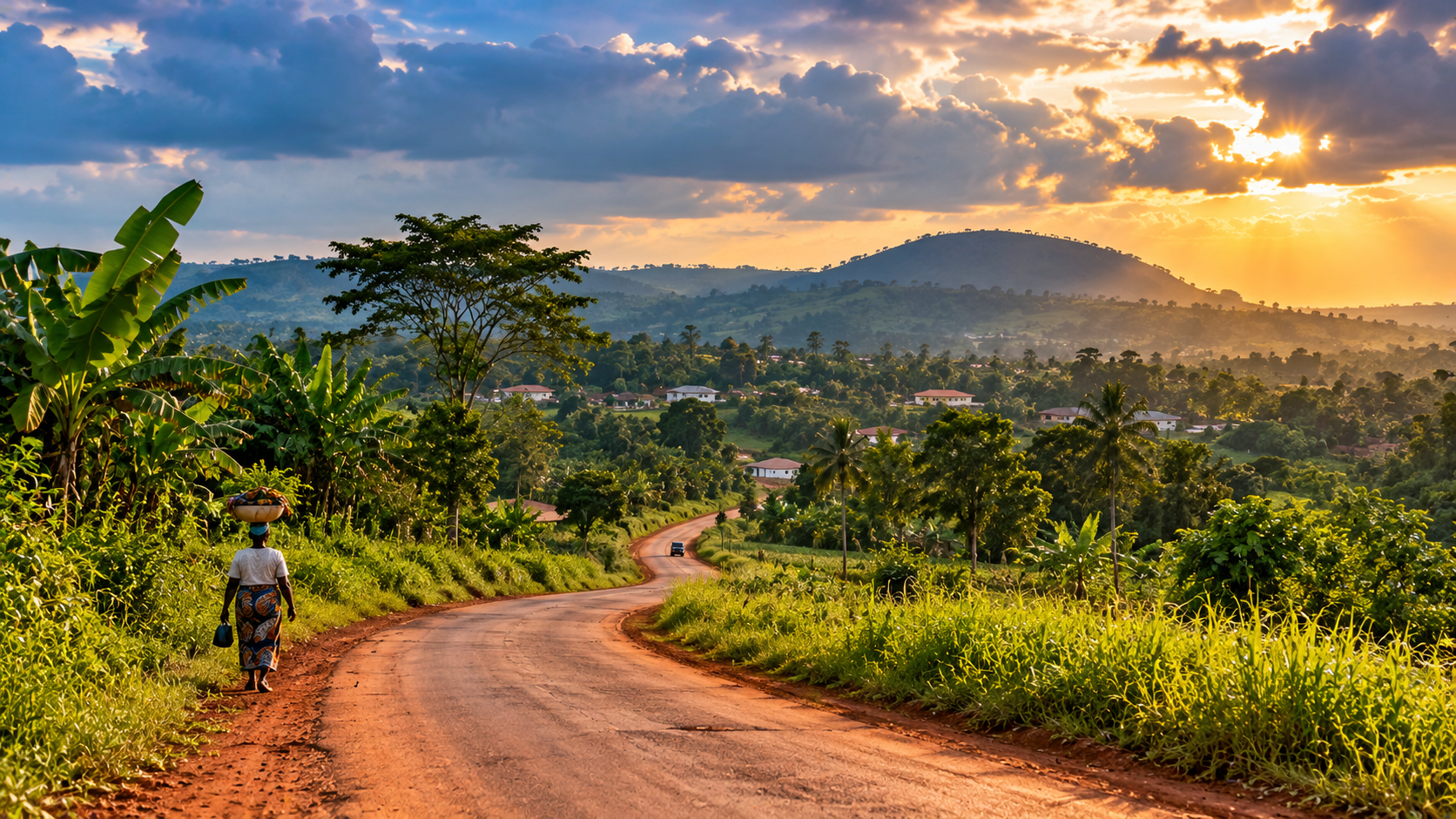
2. Is December to February the Best Time to Fly?
For many UK travellers, December to February is one of the most appealing periods to visit Ghana. December is particularly popular with people travelling to spend Christmas and New Year with relatives, attend celebrations or enjoy cultural events. January and February can also suit visitors who prefer generally drier conditions. However, the most popular travel period is not necessarily the cheapest.
Demand for flights can rise around Christmas, New Year and major family-travel dates. If you need to travel during a particular week, comparing options early gives you more time to choose a suitable departure date, baggage allowance and itinerary.
The weather also deserves some consideration. Harmattan conditions can bring dry air and dust, particularly in northern Ghana. If you have respiratory sensitivities, consider seeking appropriate health advice and checking local conditions before travelling.
December to February may suit you if you are:
-
Visiting relatives over Christmas
-
Attending weddings or family celebrations
-
Planning a cultural holiday
-
Hoping to explore several destinations during a longer stay
-
Preferring generally drier conditions for outdoor activities
If you plan to fly during the festive season, start comparing available itineraries well before your departure date. You can use Hi5Tickets.com to compare UK-to-Ghana flight options and look for an itinerary that fits your festive travel plans. Check the total journey time, baggage allowance and ticket conditions alongside the price.
3. Consider Travelling Between March and May
March to May can be worth considering if you have flexibility with your travel dates. Temperatures can be high during this period, particularly in northern Ghana, while rainfall generally increases across parts of the south as the major rainy season develops.
This does not mean you should automatically avoid these months. Your experience will depend on where you are going, what you plan to do and how comfortable you are travelling in hot or humid conditions.
For example, a trip focused on visiting family in Accra may be relatively straightforward to organise. A holiday involving several outdoor excursions may require more flexibility around rainfall.
This period can be suitable for:
-
Longer visits with flexible dates
-
Travellers visiting friends and relatives
-
People who can avoid fixed school-holiday dates
-
Visitors planning mostly indoor or city-based activities
If your dates are flexible, compare several departure days instead of assuming a whole month will be cheaper. There is no guaranteed cheapest month for every UK-to-Ghana route. Fares depend on airline availability, demand, departure airport, connections and the exact dates you choose.
When comparing flights through Hi5Tickets.com, review different date combinations and consider whether a slightly different departure date offers a more convenient overall journey.

4. What to Expect Between June and August
June to August requires a little more thought because the weather in Ghana and the UK school-holiday calendar can influence different parts of your trip.
In much of southern Ghana, June and July can bring substantial rainfall. August is often a relative break in rainfall in parts of the south, although conditions vary by location and year.
Meanwhile, July and August are popular family-holiday months in the UK. If you are travelling with children, you may have to work around school dates, which can limit your flexibility when choosing flights.
The main considerations are:
Weather: Allow flexibility for outdoor activities and longer road journeys during wetter periods.
Family schedules: Check school dates and decide whether you need to travel during the busiest holiday weeks.
Flight availability: Compare fares early if your travel dates are fixed, especially when several family members are travelling together.
Packing: Prepare for heat and humidity, and bring suitable clothing for rain.
Travelling during these months can still be worthwhile. You simply need to plan around your priorities rather than assuming that the weather or flight prices will be the same throughout the season.
If you are travelling as a family, compare the cost of different departure dates and airports before making a decision. A fare that looks cheaper initially may not offer the most convenient schedule or baggage allowance.
Image Prompt: Photorealistic premium documentary photograph of a Ghanaian street market during a light afternoon rain shower, colourful produce stalls under awnings, shoppers moving naturally beneath umbrellas, wet pavement reflecting soft daylight, lush green surroundings and everyday local activity, authentic West African atmosphere, horizontal 16:9, no readable shop signs, no logos, no text overlay, no watermark.
5. Is September to November a Good Time to Visit?
September to November can suit travellers who want more flexibility than the busiest summer and festive periods may allow.
Rainfall patterns change during these months. Southern Ghana can experience a minor rainy season, while conditions in other regions differ. By November, some parts of the country are moving towards drier conditions.
The key advantage is flexibility. If you are not tied to school holidays, a wedding date or a fixed work schedule, you can compare several travel windows and select the one that works best for you.
This period may suit:
-
Couples planning a holiday
-
Travellers visiting relatives outside peak dates
-
People organising longer stays
-
Visitors who can adjust their departure by a few days
-
Travellers who want to compare different flight schedules before committing
If you are visiting several places in Ghana, think about your route as well as your arrival date. Rainfall can affect outdoor activities and road travel, so allow some breathing room in your itinerary.
It is also worth thinking ahead to December. If your trip begins in November but your return falls during the festive season, compare the outbound and return dates separately before booking.
You can check available routes and dates through Hi5Tickets.com as part of your planning. Compare the complete return journey, including connection times and baggage conditions, rather than focusing on a single low fare.
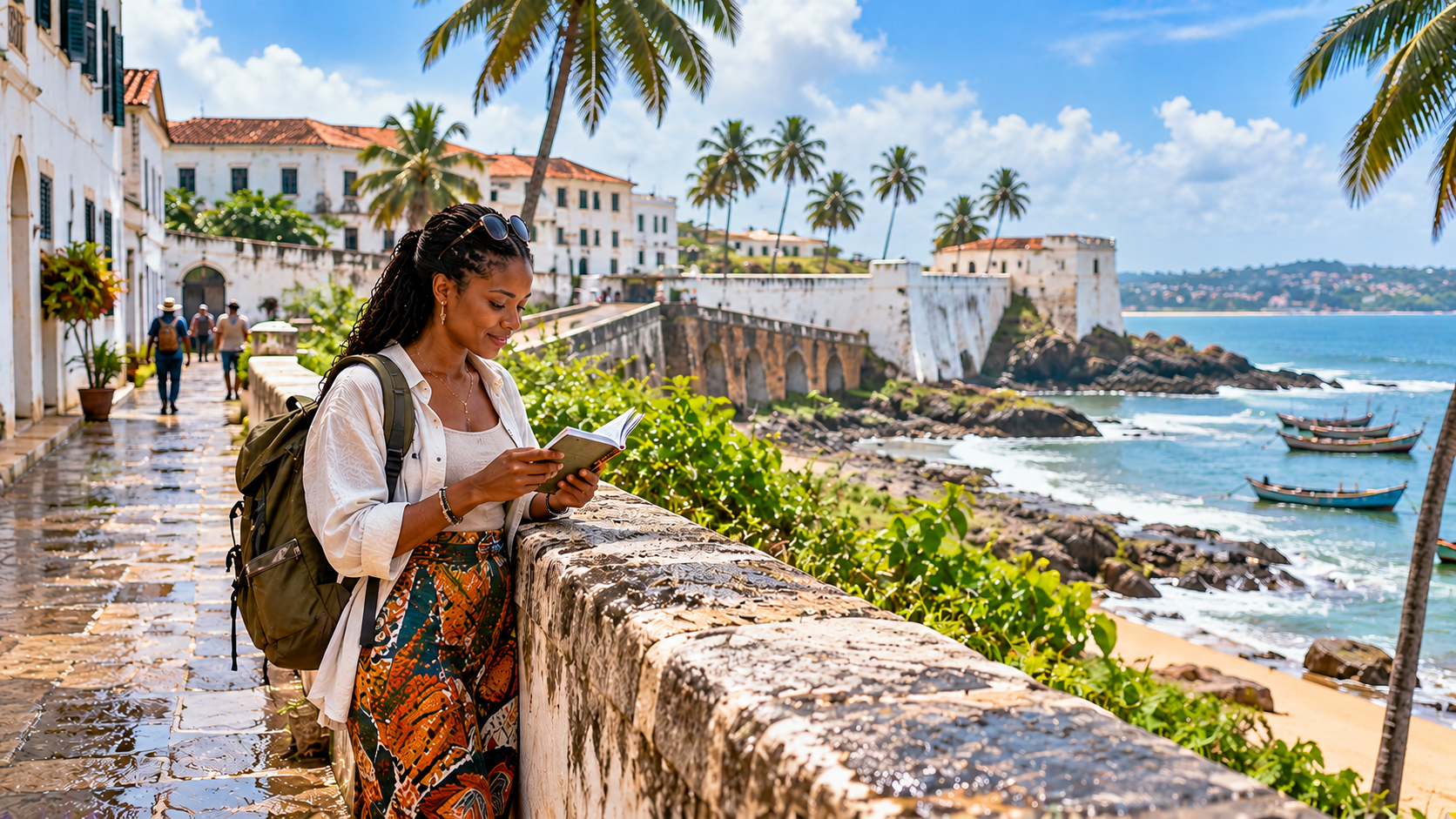
6. Choose Your Travel Dates Around Flight Prices
Weather is only one part of the decision. Your budget may be just as important. Airfares change according to demand, seat availability, route, airline and booking conditions. Travel around Christmas, New Year and school holidays can be particularly competitive for people flying between the UK and Ghana.
However, it is not reliable to label one entire month as the cheapest without checking the actual dates and route.
Instead, compare several options.
| What to Compare | Why It Matters |
|---|---|
| Departure dates | A small date change may alter available fares |
| UK airports | Different departure airports may offer different itineraries |
| Direct and connecting flights | Total journey time and convenience can differ |
| Baggage allowance | Extra baggage fees can affect the final cost |
| Arrival time | May influence airport transfers and accommodation |
| Ticket flexibility | Changes may be costly on restrictive fares |
| Return date | Peak-season returns can affect the total fare |
If your dates are flexible, compare a few days before and after your preferred departure. If you must travel during a school holiday or festive period, start comparing early and avoid relying on a last-minute price drop. It is also important to compare the final cost rather than the headline fare. A longer connection, inconvenient arrival time or restrictive ticket may not suit your plans even if it initially looks cheaper.
For a practical comparison, visit Hi5Tickets.com to explore available UK-to-Ghana flights. Use the options to compare your preferred dates, routes and overall journey conditions before deciding which fare works best for your budget.
7. Consider Your Reason for Travelling to Ghana
The best time to fly also depends on what you want to do once you arrive. Someone visiting family may prioritise dates that work for everyone. A business traveller may need to arrive before a meeting. A first-time visitor may prefer a season that makes a multi-city itinerary easier to manage.
Think about the purpose of your trip before choosing a month.
Family visits: December may be attractive if you want to spend Christmas or New Year with relatives. Plan around increased travel demand.
Cultural events: Check the dates of the specific festivals, ceremonies or celebrations you want to attend before booking.
Beach and outdoor activities: Consider the likely weather in the exact region you plan to visit, rather than relying on a national seasonal summary.
Business travel: Choose arrival times that give you enough rest before meetings or appointments.
Long stays: If you have several weeks available, you may have more flexibility to compare dates and adapt your itinerary.
First trip to Ghana: Think about your arrival time, transport from the airport and the number of destinations you want to visit. A comfortable itinerary is often more useful than squeezing in too many activities.
Once you know what matters most, you can narrow your date options and compare flights that support your plans.
Hi5Tickets can be one of the tools you use to compare UK-to-Ghana itineraries. Start with your preferred travel window, then check whether the available departure and arrival times suit the activities you have planned.

8. Decide When to Book Your UK-to-Ghana Flight
Choosing the right month and deciding when to purchase your ticket are two different things. Even if you know you want to travel in December, you still need to decide when to book and which itinerary offers the best value. There is no universal booking day or fixed number of weeks that guarantees the cheapest fare. Availability changes, and the best approach depends on how fixed your dates are.
Use these practical steps:
-
Start comparing once your dates are reasonably clear. This helps you understand the routes and schedules available.
-
Compare several travel dates. If possible, check nearby departure and return dates.
-
Review the whole itinerary. Consider total journey time, connections and arrival times.
-
Check baggage conditions. Make sure the allowance fits your needs.
-
Read ticket-change rules. This is especially important if your plans might change.
-
Set a budget. Decide what you are comfortable paying for a suitable itinerary.
-
Avoid waiting indefinitely. If your dates are fixed and you find a fare that meets your needs, do not assume it will become cheaper.
For Christmas and other popular travel periods, it is sensible to compare flights well ahead of departure because demand can be high.
When you are ready to compare options, Hi5Tickets.com provides a place to search UK-to-Ghana flights and review available itineraries. Compare the details carefully and confirm the final fare and ticket conditions before booking.
9. Find the Best Time for Your Trip and Plan Ahead
So, what is the best time of year to fly from the UK to Ghana? There is no single answer that suits every traveller.
December to February may appeal if you prefer generally drier conditions or want to visit family during the festive season. March to May can suit travellers with flexible schedules, while June to August requires consideration of rainfall and UK school holidays. September to November can be useful for people who have room to adjust their dates.
The right choice depends on three things:
-
Your priorities: Decide whether weather, family commitments, activities or cost matters most.
-
Your flexibility: If you can travel on different dates, compare several options before booking.
-
Your full itinerary: Consider departure and arrival times, baggage, connections, accommodation and transport in Ghana.
Final UK-to-Ghana Planning Checklist
-
Choose your preferred travel period.
-
Check the weather patterns for your destination.
-
Compare multiple departure and return dates.
-
Review available UK airports and flight routes.
-
Check baggage allowances and ticket conditions.
-
Arrange accommodation and airport transfers.
-
Confirm passport, visa and health-document requirements.
-
Purchase travel insurance appropriate for your trip.
-
Recheck official travel advice before departure.
For British citizen passport holders, current GOV.UK guidance states that a passport must have at least six months' validity after arrival in Ghana, a visa is required, and a yellow-fever vaccination certificate is required for entry. Always check the latest official requirements for your circumstances before travelling.
Once your preferred dates are clear, use Hi5Tickets.com to compare available UK-to-Ghana flight options and find an itinerary that suits your budget and schedule. The best time to fly is ultimately the time that works for your trip. Plan around your priorities, compare your options carefully and give yourself enough time to organise the journey before departure.